Life as a Special Guardian – Jayne’s Story
My name is Jayne. I’m a PCF rep and I look after my nephew with ADHD, autism and developmental trauma. I am a Special Guardian for my nephew and he has lived with me for four and a half years now. In this blog, I’ll explain what special guardianship is, and highlight some of the challenges we face whilst caring for children and young people within our families...
The Prime Minister, Sir Keir Starmer is in the spotlight this week over uncertainty around the continuation of the Adoption and Special Guardianship Support Fund (ASGSF).
This fund provides much needed mental health therapy to traumatised children who are in care, have been in care and those who have been adopted. The fund expires on the 31st March this year, with no word on whether it will continue. Many families are anxious because they don’t know if they will be able to access therapy services in the future.
Special Guardianship is like a foster carer within the family. Grandparents, aunties and uncles across the country take over the care of children within their wider family. A Special Guardianship Order (SGO) is granted by a judge in court and gives the special guardian parental responsibility alongside the parents. The parental responsibility given to the special guardian is stronger than the parent’s. This allows them to make day to day decisions about the child or young person’s care without having to consult parents. When a court has given a Special Guardianship Order it is often because parents cannot cope with the care of their child. SGO’s run up until the child is 18 years old. Special guardians have a responsibility to manage contact between the child or young person and their parent or parents. Sometimes parents want to see their children, but the children do not. Sometimes parents really let the children down at contact visits. Special guardians are left to deal with the fall out.
As you might imagine, this is a lot of responsibility for a grandparent, aunty or uncle. Special Guardianship Orders can put a lot of strain on families. Sadly, special guardians are not always given the support they need in order to manage these difficulties. Not all parts of the country have a Special Guardianship department. Thankfully, in Cheshire West and Chester we have an amazingly supportive team who provide regular training and support groups whilst signposting to relevant services. They have also ensured we can access some of the training that foster carers do. Special Guardians do not receive the same high level of training as fosters carers, despite looking after the same type of children with similar levels of trauma, neurodiversities and social, emotional and mental health issues.
In general across the UK, special guardians are not treated the same as foster carers, despite doing the same job. Foster carers receive non means tested payments for the children they care for. Special Guardians can apply for a Special Guardianship payment, but they may not receive it, depending on their income. This means that some Special Guardians receive payments from their local council while others receive nothing and struggle financially. Also, if the child never went into care before the SGO was awarded, special guardians cannot access the ASGS fund at all. I had to pay a counsellor privately for my nephew when he first came to me.
Special guardians look after their family members’ children to ensure they have the best chance of a full life. I hope this blog has given you some more information about what a special guardian does.
Please have a look at the Kinship Care website if you’d like to know more
If you have any other questions, please email us at: contact.pcfcwac@gmail.com or call 07900 840867
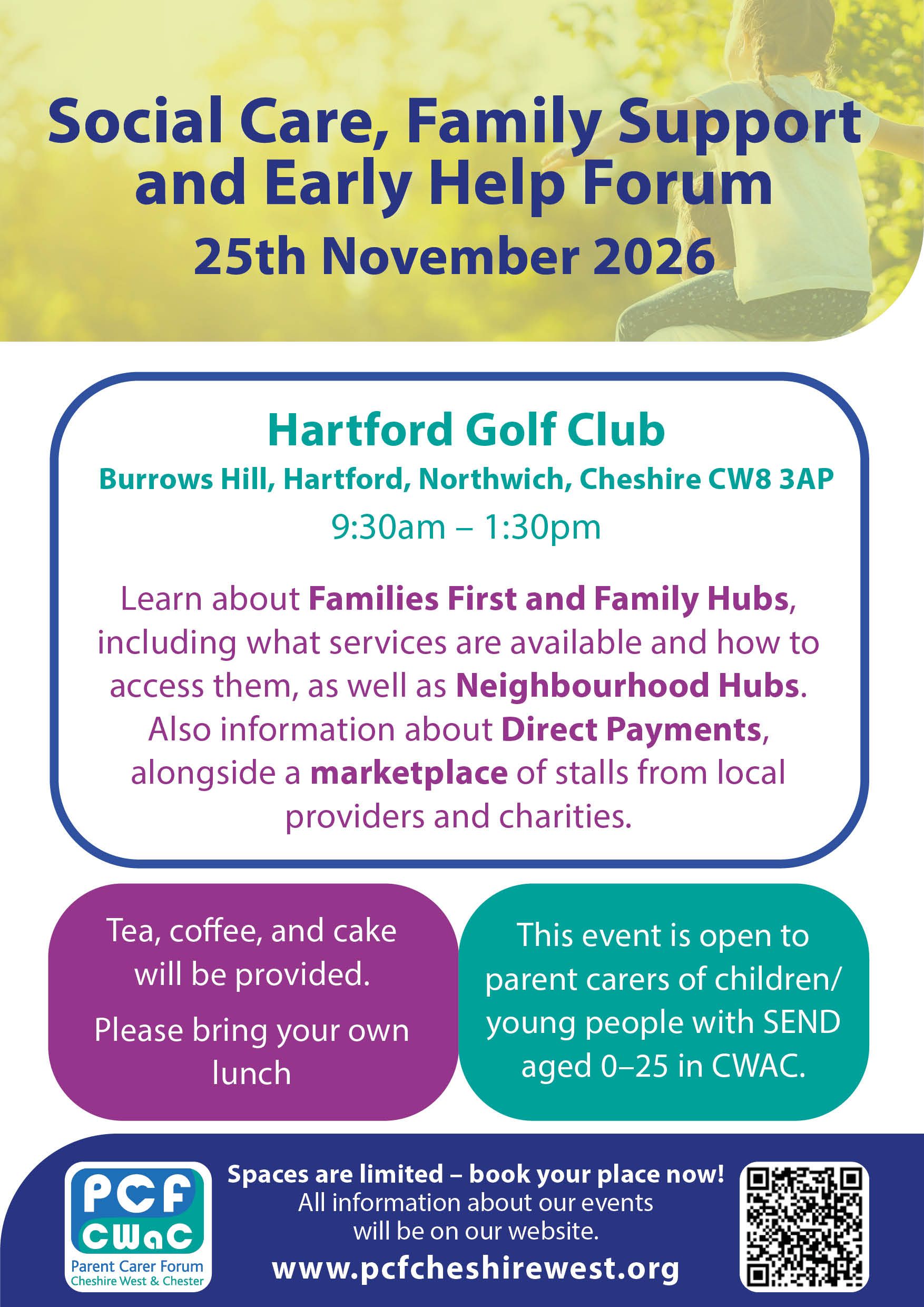
Join us and have your voice heard at any of our events in 2024/25...